Source Modern Indoor Fireplace Tools for Homes, Offices, and Lodges
Find and compare 29 modern indoor fireplace tools from verified Chinese manufacturers. Evaluate options featuring metal construction, freestanding designs, and various certifications like CE and RoHS to find the right fit for your residential or commercial needs.
Key considerations
Products List







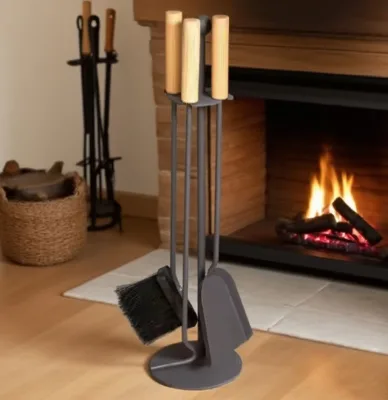
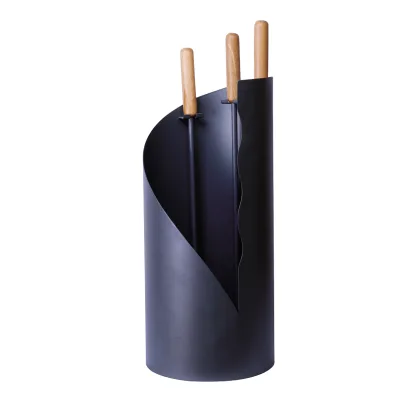
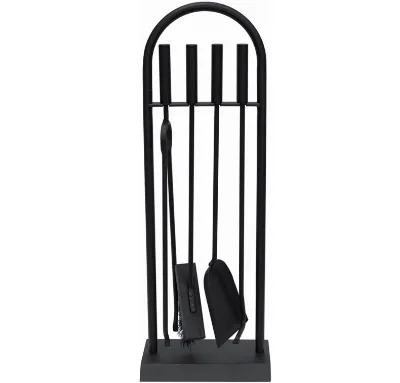
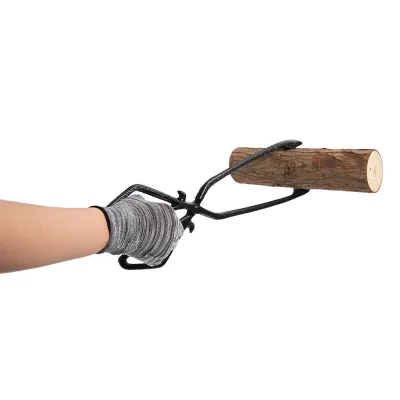
Comprehensive Sourcing Guide
Modern Indoor Fireplace Tools Sourcing Guide
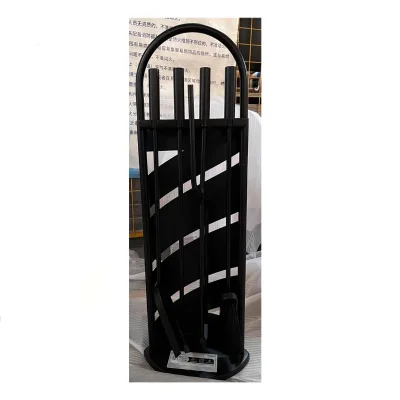
Sourcing modern indoor fireplace tools requires a careful balance between aesthetic integration and functional durability. Buyers must recognize that "modern" in this context often refers to minimalist design languages, such as sleek black finishes or freestanding silhouettes, rather than just technological innovation. The procurement process begins with defining the specific use case, whether for residential hearths or commercial hospitality settings, as this dictates the necessary material strength and visual scale. Procurement teams should prioritize suppliers who demonstrate consistency in finishing quality, as the visual appeal of these tools is a primary driver for end-users.
The market landscape for these items is diverse, ranging from simple metal tool sets to complex, integrated heating units. Buyers need to distinguish between accessory sets, which are typically sold in multi-piece configurations, and standalone fireplace appliances that may include tool sets as part of a larger package. Understanding this distinction is critical for accurate budgeting and logistics planning. A single item purchase might involve a basic sweep set, while a more comprehensive order could include heavy-duty steel units with advanced thermal efficiency features. Clarifying the scope early prevents misalignment between the requested aesthetic and the delivered product’s functional capabilities.
Product Scope and Observed Listing Signals
Current market listings reveal a wide variance in product attributes, indicating a fragmented supply chain with diverse manufacturing capabilities. Observed data points to a price range spanning from approximately $7.87 to $1,500, reflecting the disparity between basic metal tool sets and high-end, certified heating appliances. The minimum order quantity (MOQ) also varies significantly, ranging from single units to batches of 200, which suggests that suppliers cater to both small boutique retailers and large-scale distributors. Buyers should interpret these signals as indicators of the need for flexible negotiation strategies, particularly when dealing with mixed-SKU orders or custom design requirements.
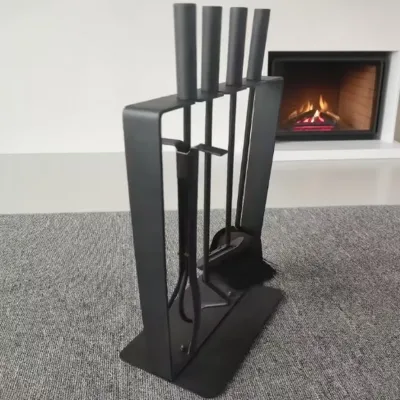
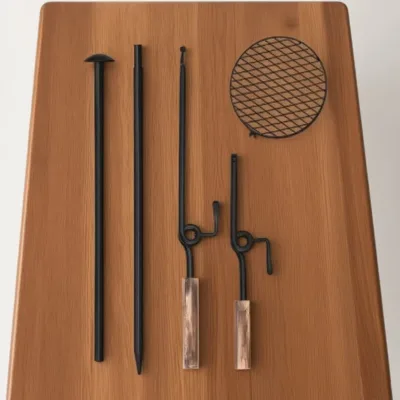
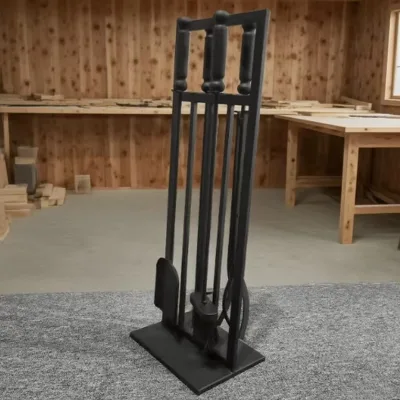
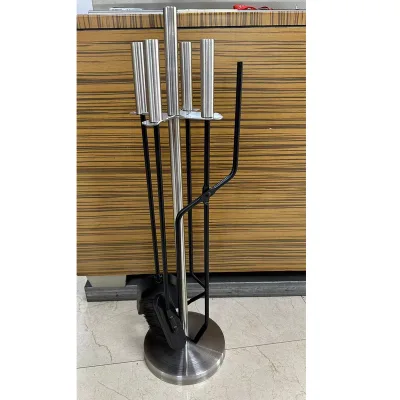
Specific product observations highlight distinct categories within the modern fireplace tool segment. For instance, some listings describe metal tool sets with stainless steel components, emphasizing durability and a clean, contemporary look. Other entries point to freestanding units with modern styling, available in black finishes, which align with current interior design trends. It is crucial to note that not all products share the same features; some lack remote controls or automatic thermostats, while others offer adjustable thermostats and overheating protection. This variability means that buyers cannot assume a uniform feature set across all suppliers and must verify specifications on a per-product basis.
Technical Specifications to Verify
Technical verification is paramount when sourcing modern fireplace tools, as performance and safety depend heavily on material integrity and design precision. Buyers should request detailed specifications for the materials used, particularly for structural components. For example, some high-end units utilize A3 steel for the furnace body, ensuring robustness, while others may rely on lighter metal alloys for tool sets. The thickness of hearth materials, such as vermiculite plates, and the quality of fire window materials, like high-temperature resistant glass, are critical factors that impact longevity and safety. Procurement teams must insist on clear material declarations to avoid substitutions that could compromise performance.
Dimensional and operational specifications also require rigorous scrutiny. Standard sizes, such as 80x30cm for certain tool sets or specific heights for freestanding units, must be confirmed to ensure compatibility with existing hearth designs. For heating appliances, thermal efficiency ratings, dust emission levels, and flue outlet dimensions are vital for compliance with local building codes and environmental standards. Buyers should verify the net weight and gross weight of packages to calculate accurate shipping costs and handling requirements. Additionally, features like adjustable thermostats and overheating protection mechanisms should be tested or certified to ensure they function as advertised, providing reliable operation in indoor environments.
Compliance and Safety Documentation
Compliance with international safety standards is non-negotiable for indoor fireplace products, given the inherent risks associated with open flames and high temperatures. Buyers must ensure that all supplied products carry valid certifications, such as CE and RoHS, which indicate adherence to European health, safety, and environmental protection standards. These certifications are not merely formalities but serve as proof that the manufacturer has undergone rigorous testing for electrical safety, material toxicity, and operational reliability. Procurement teams should request copies of these certificates and verify their authenticity with the issuing bodies to mitigate legal and liability risks.
Beyond certifications, documentation regarding thermal performance and emissions is essential for modern indoor units. Suppliers should provide test reports detailing thermal efficiency percentages, dust emission levels, and other environmental metrics. For instance, some units boast thermal efficiencies around 75.4% and low dust emissions, which are significant selling points for eco-conscious consumers. Buyers should also verify the type of paint used, such as high-temperature resistant coatings, to ensure that finishes do not degrade or release harmful fumes when exposed to heat. Comprehensive documentation not only aids in regulatory compliance but also enhances the product’s marketability by providing verifiable performance data.
Cost Drivers and Commercial Terms
Understanding the cost drivers behind modern fireplace tools allows buyers to negotiate more effectively and forecast budgets accurately. The primary cost factors include material quality, manufacturing complexity, and certification requirements. Products made from premium materials like A3 steel or featuring advanced safety mechanisms such as adjustable thermostats will naturally command higher prices. Additionally, the level of customization available, such as specific colors or dimensions, can impact production costs and lead times. Buyers should analyze the price-to-feature ratio to determine the best value proposition, rather than simply opting for the lowest price, which may compromise quality or safety.
Commercial terms, including MOQs and payment structures, vary widely among suppliers and must be aligned with the buyer’s inventory strategy. Some suppliers offer low MOQs of just one unit, suitable for sampling or small orders, while others require bulk purchases of up to 200 units. Buyers should negotiate flexible terms that allow for mixed orders or phased deliveries to reduce inventory holding costs. It is also important to clarify the packaging details, such as whether items are packed in metal boxes or standard cartons, as this affects protection during transit and storage efficiency. Clear communication regarding these terms helps prevent unexpected costs and ensures a smooth supply chain operation.
Supplier Qualification and Quality Control
Supplier qualification is a critical step in mitigating supply chain risks, particularly for products involving fire safety and high temperatures. Buyers should conduct thorough due diligence on potential suppliers, verifying their manufacturing capabilities, quality control processes, and past performance. This includes assessing whether the supplier has a dedicated quality assurance team and implements regular inspections during production. Suppliers located in key manufacturing hubs, such as Shenzhen or Fujian in China, may offer advantages in terms of supply chain efficiency, but buyers must still verify their operational standards independently.
Quality control measures should be explicitly defined in the purchase agreement, including acceptance criteria for visual defects, material consistency, and functional performance. Buyers should consider implementing pre-shipment inspections to verify that the delivered goods match the approved samples and specifications. For custom orders, it is essential to have a clear process for approving prototypes before mass production begins. Additionally, suppliers should provide a warranty or guarantee period to address any post-delivery issues, ensuring that buyers have recourse in case of defects. Establishing a strong quality control framework protects the buyer’s brand reputation and ensures customer satisfaction.
Long-Term Procurement Checks
Long-term procurement success depends on continuous monitoring of supplier performance and market trends. Buyers should establish key performance indicators (KPIs) to track supplier reliability, including on-time delivery rates, defect rates, and responsiveness to issues. Regular audits and feedback sessions can help identify areas for improvement and strengthen the partnership over time. As design trends evolve, buyers must stay informed about emerging styles and technologies in the modern fireplace tool segment to remain competitive. This proactive approach ensures that the product portfolio remains relevant and appealing to end-users.
Furthermore, buyers should regularly review compliance requirements and safety standards, as regulations can change over time. Staying updated on new certification requirements or environmental standards is essential to avoid disruptions in supply or sales. Building a diversified supplier base can also mitigate risks associated with single-source dependencies, providing flexibility in case of production delays or quality issues. By maintaining a strategic focus on quality, compliance, and supplier relationships, buyers can ensure a sustainable and profitable procurement operation for modern indoor fireplace tools.
FAQs
What certifications do these modern indoor fireplace tools have?
The products carry RoHS and CE certifications as confirmed by the product specifications. These certifications indicate compliance with safety and environmental standards for the listed items.
Can I customize the modern indoor fireplace tools for my needs?
Customization is available for the modern indoor fireplace tools listed on the page. Buyers can request specific modifications to meet their unique requirements or branding needs.
Which materials are used to construct these modern indoor fireplace tools?
The tools are primarily constructed from metal, including stainless steel components. Some specific models also utilize A3 steel for the furnace body and vermiculite plates for the hearth.
How are these modern indoor fireplace tools packaged for shipping?
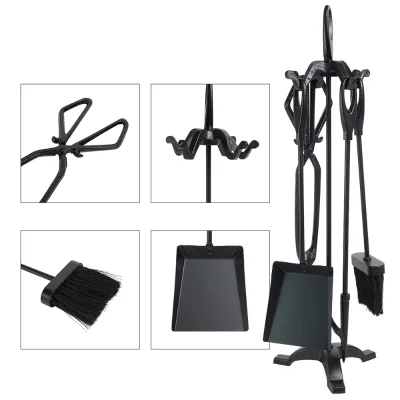
Packaging options include metal sets containing five pieces or standard boxes with inner boxes. The specific packing method depends on the model number and product configuration selected.
What is the origin location for these modern indoor fireplace tools?
The products originate from manufacturing locations in Shenzhen and Fujian, China. This information is explicitly stated in the product origin details provided for the listed items.
Do these modern indoor fireplace tools include an adjustable thermostat?
Some models feature an adjustable thermostat while others do not include automatic thermostats. The availability depends on the specific model number and configuration of the unit.